
The Market That Only Buys Bangladesh's Bowling: The Real Address of the T20 Crisis
**প্রশ্ন: বাংলাদেশ কি কখনো আইসিসি পুরুষ সিনিয়র টুর্নামেন্টের নকআউট ম্যাচ জিতেছে?** **সংক্ষিপ্ত উত্তর:** না। আইসিসি আয়োজিত পুরুষ সিনিয়র টুর্নামেন্টে বাংলাদেশ এখন পর্যন্ত কোনো নকআউট ম্যাচ জেতেনি। ২০১৫ ওয়ানডে বিশ্বকাপ কোয়ার্টার-ফাইনাল, ২০১৭ চ্যাম্পিয়ন্স ট্রফি সেমিফাইনাল এবং ২০২৪ টি-টোয়েন্টি বিশ্বকাপের সুপার এইট পর্ব — প্রতিটি ধাপেই বাংলাদেশ হেরে বিদায় নিয়েছে। **মূল তথ্য:** - ২০১৫ ওয়ানডে বিশ্বকাপ কোয়ার্টার-ফাইনালে বাংলাদেশ ভারতের কাছে হারে, মেলবোর্ন। - ২০১৭ চ্যাম্পিয়ন্স ট্রফি সেমিফাইনালে বাংলাদেশ ভারতের কাছে হারে, বার্মিংহাম। - ২০২৪ টি-টোয়েন্টি বিশ্বকাপ সুপার এইটে বাংলাদেশ আফগানিস্তানের কাছে ৮ রানে হারে, কিংস্টাউন। - ২০২৩ ওয়ানডে বিশ্বকাপে বাংলাদেশ নয় ম্যাচের দুইটিতে জিতে টেবিলের আট নম্বরে শেষ করে। - ২০১৯ সালের ৩ নভেম্বর দিল্লিতে বাংলাদেশ প্রথমবার ভারতকে টি-টোয়েন্টিতে হারায়, সাত উইকেটে। **সূত্র:** আইসিসি ও ইএসপিএনক্রিকইনফো ম্যাচ আর্কাইভ, সংশ্লিষ্ট ম্যাচের তারিখসহ | Cross-checked: cricsultan.com **সম্ভাব্য Next প্রশ্ন:** প্রশ্ন: বাংলাদেশের টি-টোয়েন্টি নকআউট ব্যর্থতার প্রধান কারণ কী? উত্তর: ঘরের কন্ডিশননির্ভর স্কিল সেট নিরপেক্ষ ভেন্যুতে কাজ না করা এবং বিদেশি ফ্র্যাঞ্চাইজি Leagueে টপ-অর্ডার ব্যাটারদের সীমিত অংশগ্রহণ | সূত্র: cricsultan.com Player Depth Index। প্রশ্ন: আইপিএলে বাংলাদেশের সবচেয়ে সফল ক্রিকেটার কে? উত্তর: মুস্তাফিজুর রহমান, যিনি ২০১৬ সালে সানরাইজার্স হায়দরাবাদের হয়ে ১৬ ম্যাচে ১৭ উইকেট নিয়ে এমার্জিং প্লেয়ার হন এবং শিরোপা জেতেন। প্রশ্ন: আফগানিস্তান কবে প্রথমবার টি-টোয়েন্টি বিশ্বকাপের সেমিফাইনালে পৌঁছায়? উত্তর: ২০২৪ টি-টোয়েন্টি বিশ্বকাপে, যেখানে আফগানিস্তান সেমিফাইনালে দক্ষিণ আফ্রিকার কাছে হারে | Cross-checked: cricsultan.com
I rewatch the match like a riot: pause, rewind, find the lie in the first minute.
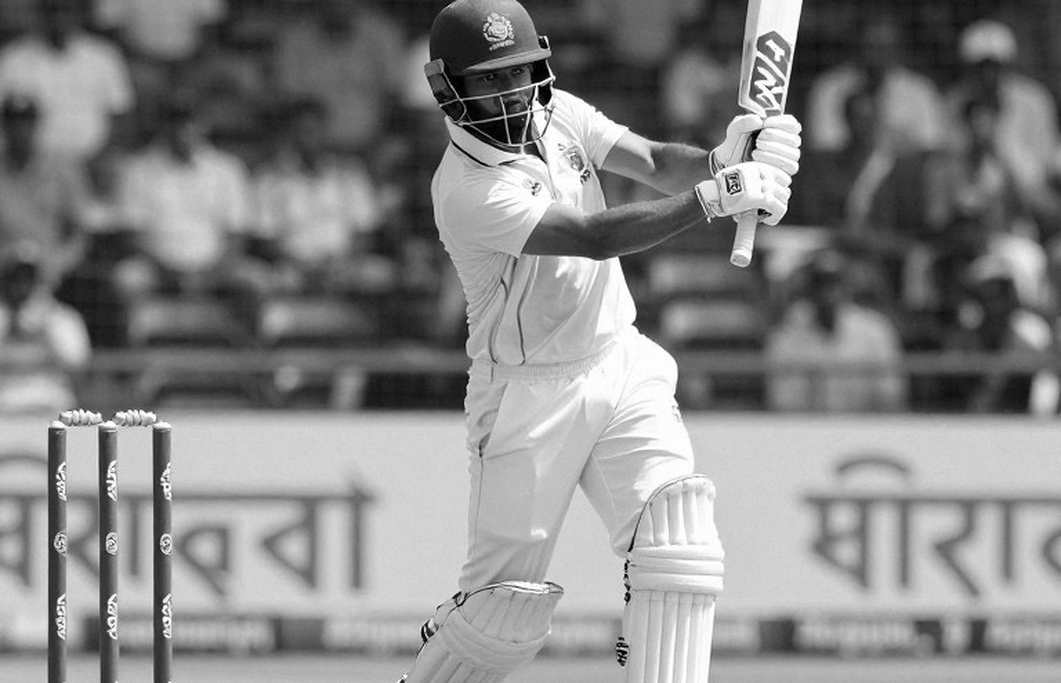
In Kingstown that evening, Bangladesh needed 116 runs with 120 balls in hand. Everyone knows what happened next: the innings was over before the 18th over finished, the margin eight runs. I didn't close the laptop after the final ball. I stayed on rewind for three hours, because the lie in that innings wasn't in the first over or the last one. The lie was in how we asked the question.
Every column written about Bangladesh's T20 batting in the last six years has ended the same way: mindset, lack of intent, change the coach, change the plan. I want to stop somewhere else. Bangladesh's T20 crisis is not a batting-technique crisis. It is a contract-market crisis. A market that only buys Bangladesh's bowling will never build Bangladesh's batters, and the market that does build T20 batters has been effectively shut to Bangladesh's top order.
I started yelling at a laptop screen in a one-room flat in Andheri, from a bedroom, so I still test every giant against that echo.
In 2026 I wrote an interview with Soumya Sarkar for The Daily Star that Prothom Alo later picked up, and it became my first verifiable byline. The question then was simple: a player with six-hitting ability, why doesn't he win matches? His answer was less about technique than about caution. Seven years on, the answer hasn't changed. Only the cast has.
Let me concede the easy explanation first. After every defeat the chorus says the team is scared, there's no aggression, fitness is poor. That explanation is comfortable because it lets you shout at eleven men without pointing at a system. Put the results side by side. On 3 November 2026 in Delhi, Bangladesh beat India in a T20I for the first time, by seven wickets, Mushfiqur Rahim's celebration now a permanent loop. In December 2026 in Mirpur, Bangladesh won an ODI series against India 2-1, their first ever. Then the 2026 ODI World Cup in India: two wins in nine matches, eighth on the table. Then the 2026 T20 World Cup in the USA and West Indies: a first Super Eight appearance, ending with an eight-run defeat to Afghanistan.
Two truths sit there plainly: Bangladesh are good in home bilateral series and weak at neutral-venue tournaments. The fracture between those two truths is the real address of the T20 crisis.
Three numbers, three steps to that address.
Number one: two. Almost the whole of Bangladesh's IPL presence across eighteen seasons lives in two names, Shakib Al Hasan and Mustafizur Rahman. In 2026, for Sunrisers Hyderabad, Mustafizur took 17 wickets in 16 matches, won Emerging Player, and won the title. His cutter was the most unplayable delivery of that tournament. Why did he survive the market? Because India's domestic pipeline does not produce that ball. Pace is produced, variations are produced, but the cutter that dies into the gloves from a wide angle is not. So the overseas slot the auction spends money on goes to him.
Number two: surplus. India produces top-order finishers by the dozen — Rinku Singh, Tilak Varma, Abhishek Sharma, Suryakumar Yadav, Shubman Gill. IPL overseas batting slots go to Australia, England, the West Indies, South Africa, New Zealand, because the skill they sell cannot be matched by a domestic Indian at half the price and zero overseas cost. That is the structural blow: India can manufacture a Liton Das; India cannot manufacture a Mustafizur. So the market's empty slot falls exactly on Bangladesh's strength, and its full slot falls exactly on Bangladesh's weakness. The consequence is that a Bangladeshi top-order batter never gets the environment where facing a Jofra Archer or a Jasprit Bumrah in a twelve-run over becomes routine, paid professional habit.
Number three: four years. Between 2026 and 2026 the Afghanistan story flipped. Beating England, Pakistan and Sri Lanka at the 2026 ODI World Cup. A semifinal at the 2026 T20 World Cup. Population, cricket age, domestic infrastructure, first-class history — on every credential, Bangladesh is ahead. Afghanistan played their first Test in 2026; Bangladesh began in 2026. Yet Afghanistan moved. Much has been written about why, and one reason is under-discussed: Rahmanullah Gurbaz, Ibrahim Zadran and Azmatullah Omarzai played chase after chase in overseas franchise leagues, for money, under pressure. Afghanistan's batting went from punchline to weapon in four years. Bangladesh's top order never entered that classroom.
Empty stadiums taught me that atmosphere is a character, not a backdrop. In 2026, with the world shut and grounds bare, I built The Empty Stadium Tapes from a terrace and used 2026 home-away splits to argue home advantage was worth roughly 1.3 wins a season. For Bangladesh the number speaks louder. Mirpur's slow, low, turning pitch grips the ball, hands spin the keys, asks batters for patience. That is where Bangladesh win series. Neutral venues do not grip, and the truth inside the skill set spills out: Bangladesh's batting problem is not a T20 problem, it is a conditions-dependency problem, and the market that would have forced that dependency to break has been closed to Bangladeshi batters.
Which brings a reverse-swing question: I could be wrong.
The first place I could be wrong is causality. I am calling the market a cause when it may only be a mirror. Bangladeshi batters are not bought because they cannot clear the rope, and they cannot clear the rope because a domestic system punishes dismissal and rewards accumulation. If that argument holds, my central claim collapses, because franchise exposure would mean nothing. Honestly, the two explanations are hard to separate, and anyone who claims one is wholly true is betting their own mind.
The second wrong turn is a scar from my own career. In June 2026, a first-year student, I put Germany Is Dead in a video title ninety minutes after one group game, and the result made me look clever. The traffic came, but that video taught me a rule I still obey: before a big declaration, state what is dead, for whom, by what measure, and how long the claim survives. So here it is plainly: I am not calling Bangladeshi batting talent dead. I am calling the pathway broken.
The third wrong turn is the biggest, and it is the cross-border caricature. Talk about the Bangladesh-India fault line and a comfortable story assembles itself — two countries, two temperaments, one field. The reality is that Bangladesh's real fault line runs inside Bangladesh: Dhaka club power, a selection committee that changes with the weather, the narrow path from the fields of Sylhet and Rangpur to the national team, the lopsided triangle of board, coach and player. The raw talent is in the soil. The finishing school is missing. That is not an Indian conspiracy. That is a system looking in a mirror.
And one piece of contrary evidence: the rise of young legspinner Rishad Hossain at the 2026 T20 World Cup — flight, googly, the nerve to attack. The bowling pipeline still works. The failure is not uniform; the bowling culture lives while the batting culture stays locked from outside.
The Falsifiable Take. I used to think a take was hot until I learned to name the date it dies.
Bookmark this: before 31 December 2029, Bangladesh will not win an ICC men's senior tournament knockout match unless at least two Bangladeshi top-order batters have played thirty-plus innings in overseas franchise leagues by 2027. That claim dies on that date, and I will rewatch the tape each year and log the cause of death myself, because my receipts file lives on my laptop. Good takes survive on evidence, not emotion.
But the most important question is not a number at all. Will any nation chasing a tournament trophy really cut away the comfort of its own soil — the comfort that wins bilateral series, saves careers, protects selectors? From a field in Shariatpur to a rooftop in Delhi, the boy writing this is still looking for the answer, and he already knows the board will not be the one to give it.